Work as a

︎︎︎︎︎︎︎︎︎


Symbiosis Habitat
Re-Invent Process of Nature into Urban Environment
through a Zoo-Function Metabolism
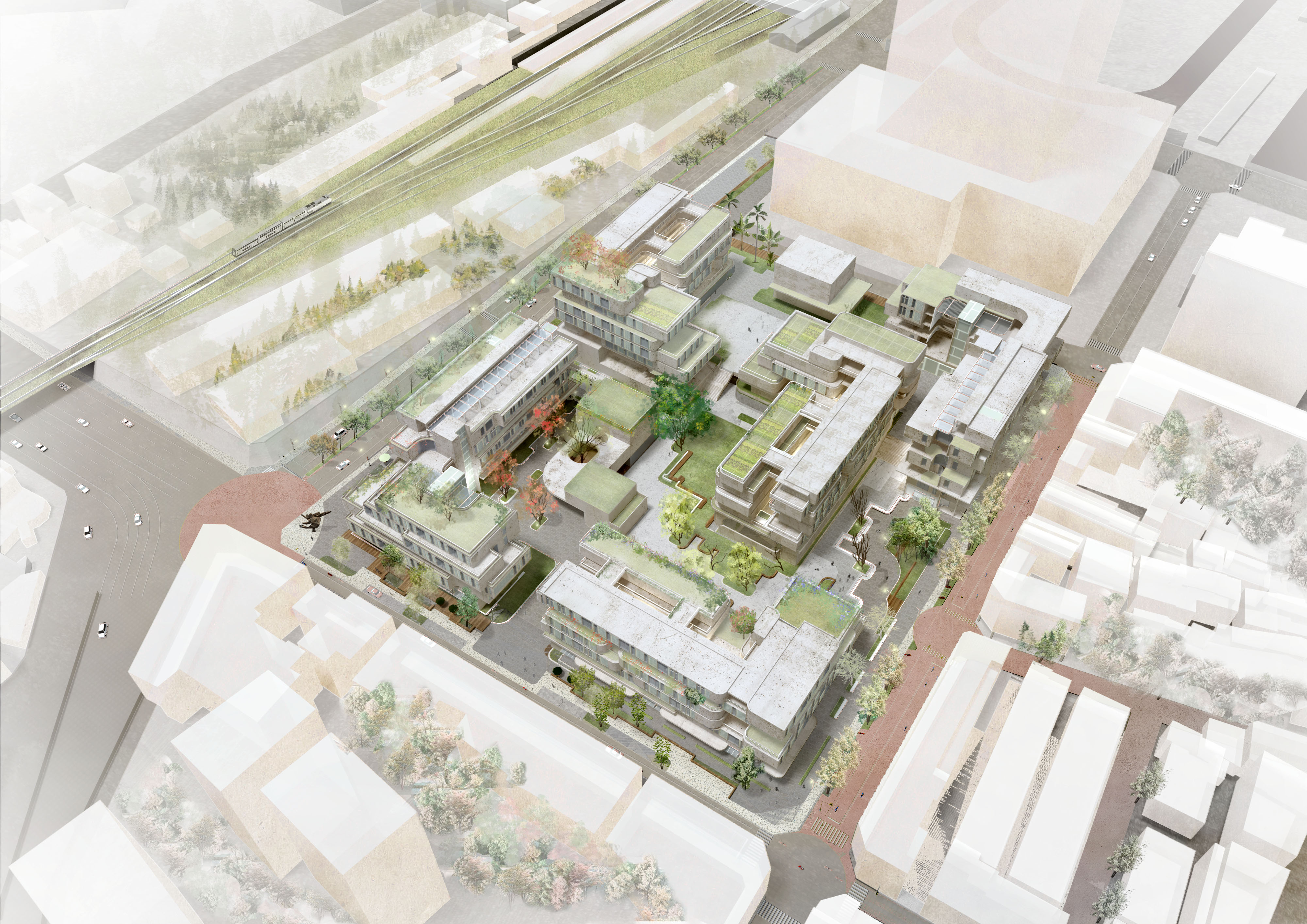
Hub of Lives
A Re-Interpretation of Group-Linking Compound and Tainan's Locality


Framework
Balancing Growth and Opportunity in Sunset Park
Re-Weaving Urban Activities
from the Perspective of Urban Water Cycle
Brooklyn Army Terminal
Disconnect between intentions and reality
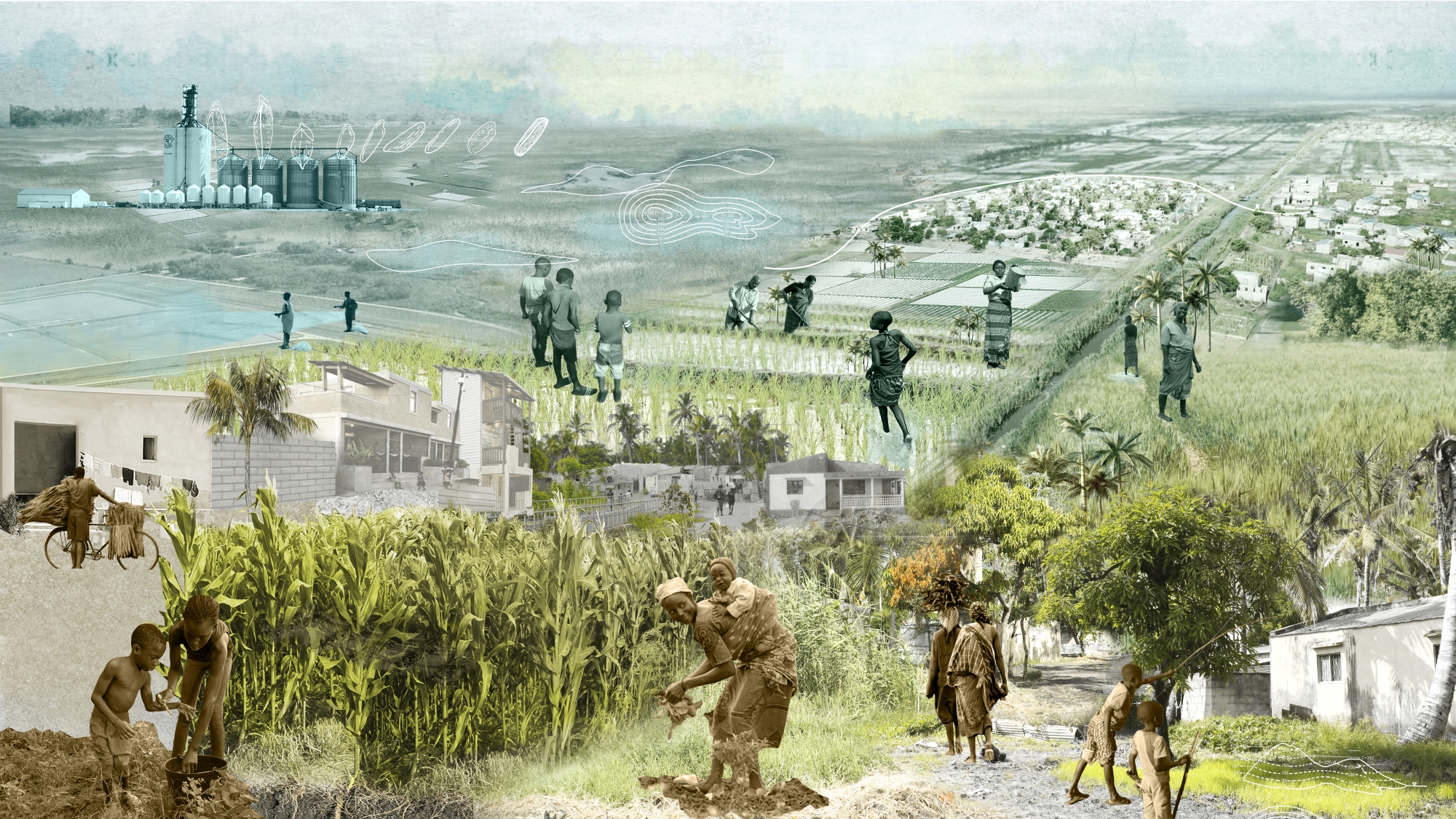
Seeding the Machamba
Beira, Mozambique
Reconnect social capital and build up resilience environment from the traditional inbetween spaces.
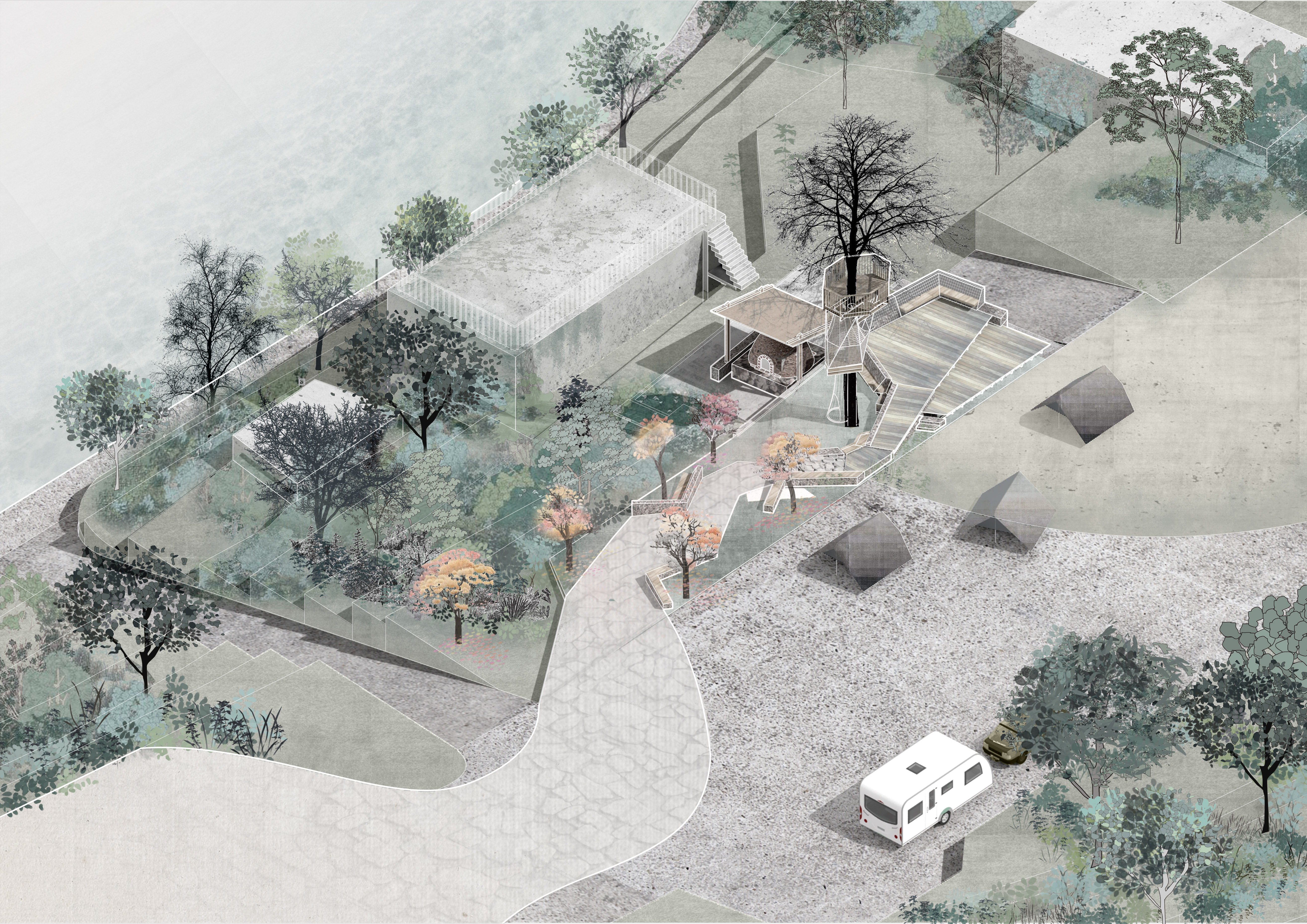
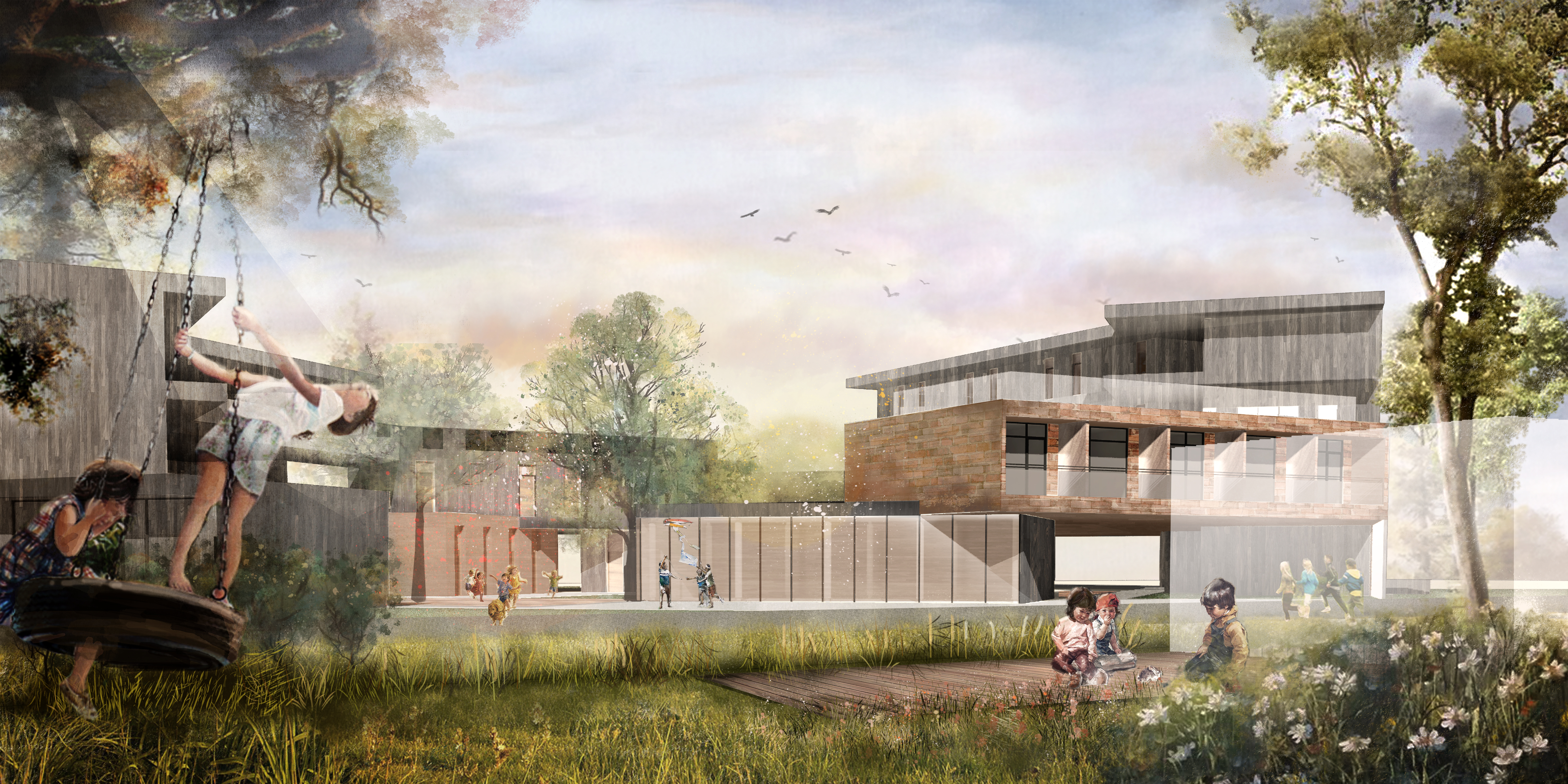
Build A Tree House!
Design-Build, Participatory Design, and Community Development
Build an "eco-classroom" with residents!
 Other Works
Works
to practice medium out︎︎︎︎︎︎︎︎︎
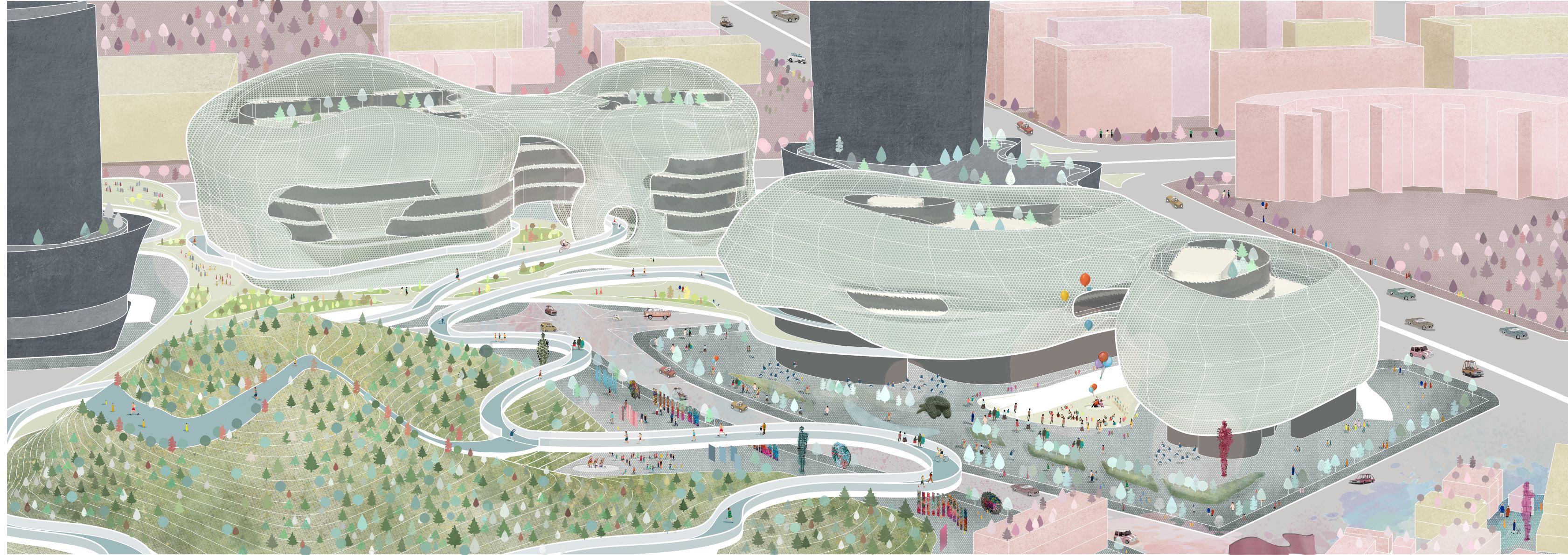
Ban Xue Gang
Concert Hall
AI Valley
Climate Responsive Curtain wall development
Aqua Ring
Symbiosis of Water and Urbanism


Taoyuan Museum of Art
Space Connection and Multi-Culture Dialogue
through Fluidity of Freeform Architecture
Well Office
Building Performance Analysis
Research
to understand the world differently︎︎︎︎︎︎︎︎︎
World Mega-Events as An Urban Planning Strategy
How cities utilize global attention?
The Universiade as Casestudy
Bird Collition in
Urban Area
Who is a bird killer?
Symbiosis Habitat
Re-Invent Process of Nature into Urban Environment
through a Zoo-Function Metabolism
AWRADS
2018 Archiprix –the best thesis design / nominated
2017 The National Golden Award for Architecture / the Best Newcomer Architect
2017 TEAM20-Architecture and urban planning competition / Sustainable Environment Special Award
2017 TEAM20-Architecture and urban planning competition / 1st place
2017 IEAGD-Taiwan 20 (6x2) / Top 20 Finalist
2017 Thesis Design Award / 1st place
Date | 2017.02 - 2017.05
Instructor | Yu-Lin Chen
Site | Hsinchu city, Taiwan
#Individual Project
#Symbiosis #Urban Habitat #Zoological #Landscape #Animal Human #Ruinize
A zoo is not a window through which
nature reveals its entirety, but a prism which
refracts whatever culture we project. But
this land should exuberate its indignant
sense of being. People possess and then are
possessed by nature—from constructing a
caging powerhouse to seeking a co-existing
family. Manmade structures wear and tear
into wilderness and into ruins, allowing
more lives to be sheltered.
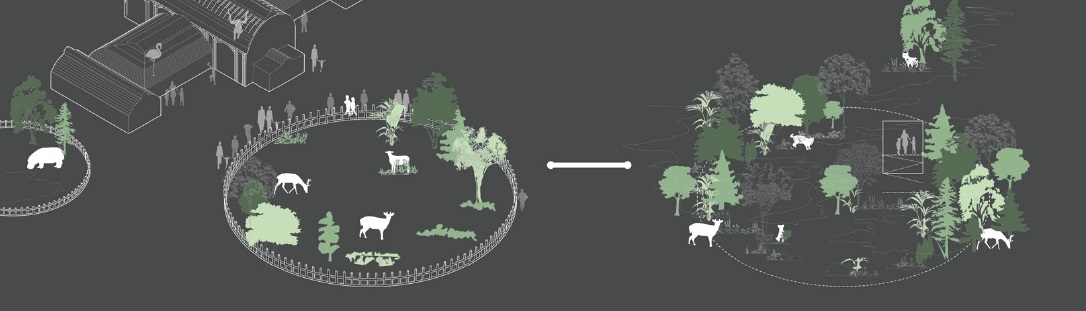
In the 18th century, a zoo was a creation of Empi r icism, w hich encouraged domestication and control over nature. In the 21st century, Empiricism abdicates and people view a zoo as a window to see nature. Still, a zoo is yet another un-natural existence.
How do we withdraw this out-of-date/place existence and resume a space for lives that came before human invasion to return, to multiply into a blooming symbiotic environment?

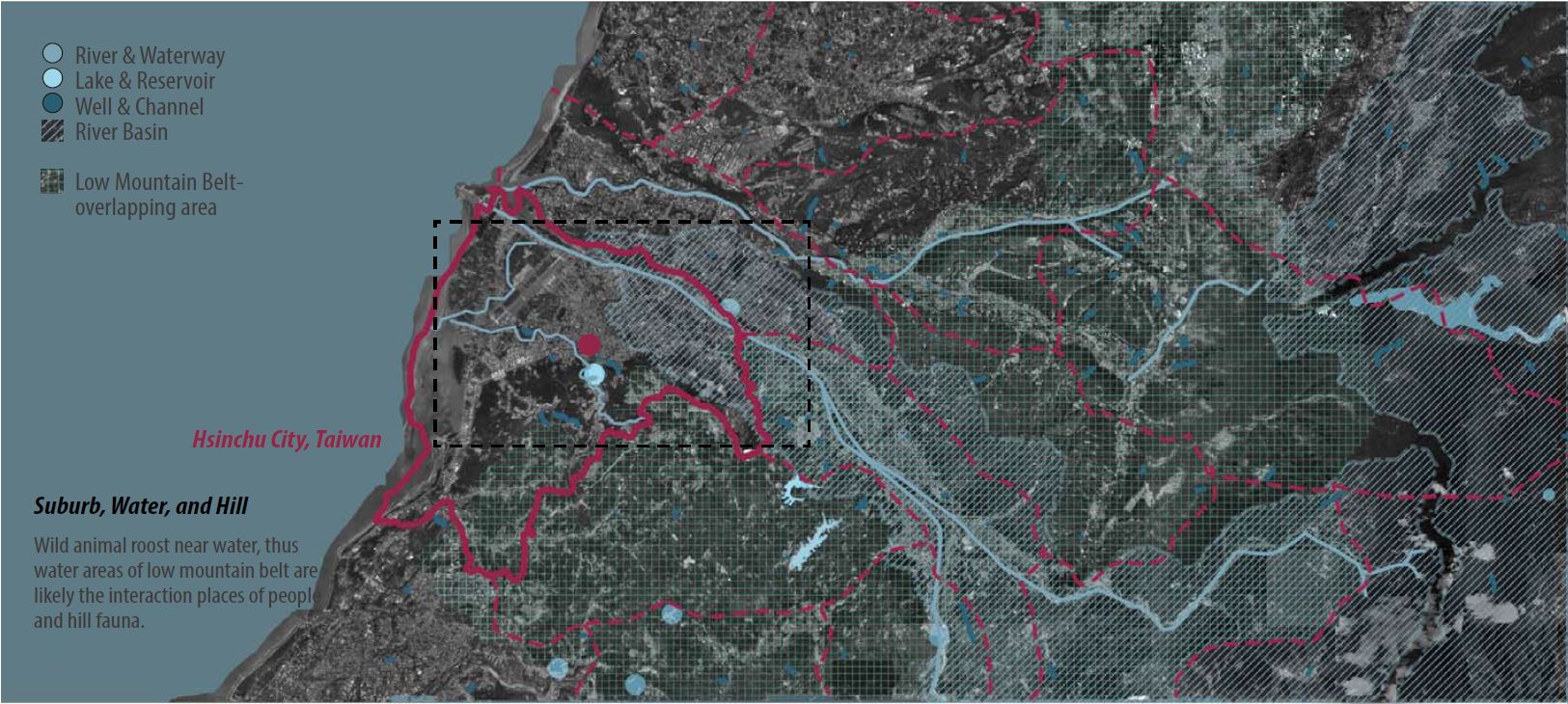
Hills and low mountain belts protect the original species that disappeared from the plain after this habitat was developed. Because of the landscape in Hsinchu and Miaoli, urban activities and protected wild animals have more interactions.
I started to study possible habitats in Hsinchu and Miaoli regions.
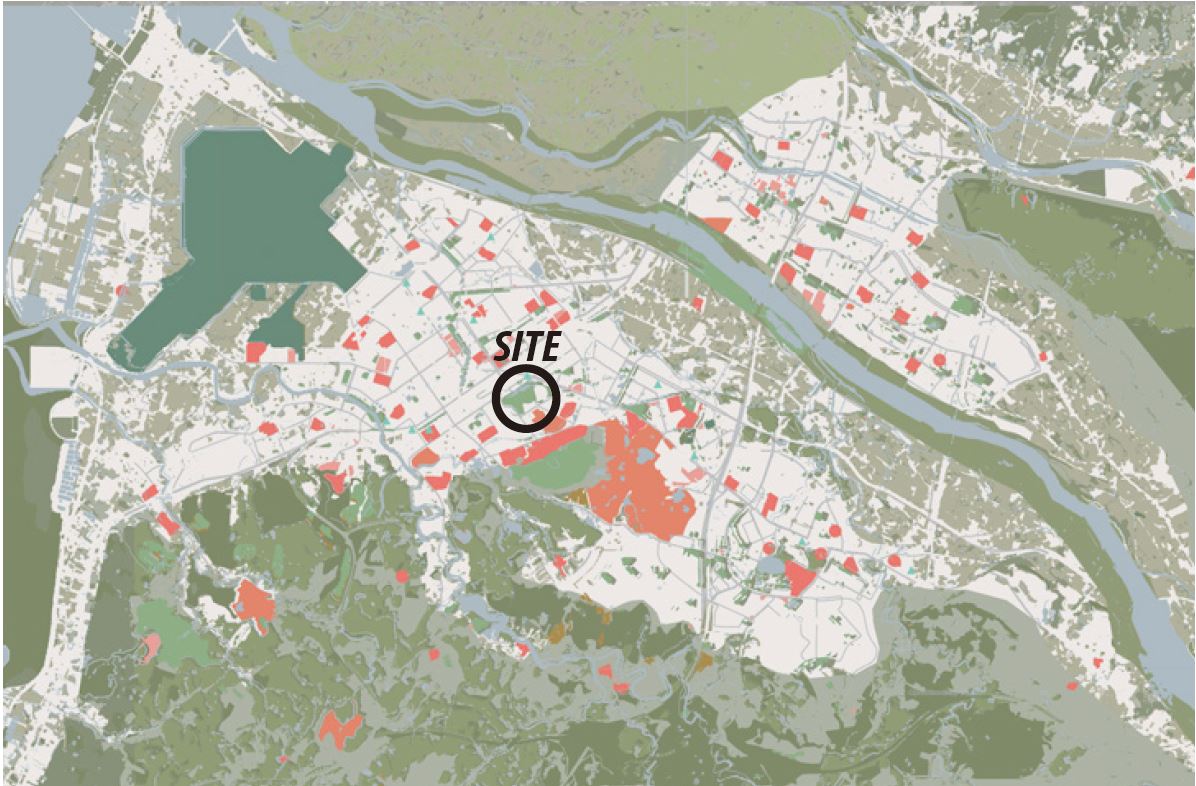
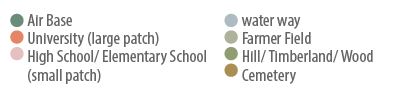
According to theories about habitats, cities
have certain green spaces or potential
“Patches” which are suitable habitats for
wildlife. Should these spaces have passage
ways for animals to move around, cities
could create biological networks, which
intertwine and overlap with the cities’
traffic networks.
I have identified some potential patches
in Hsinchu City, including parks, schools,
open areas, rivers and water ways, which
can form a network.
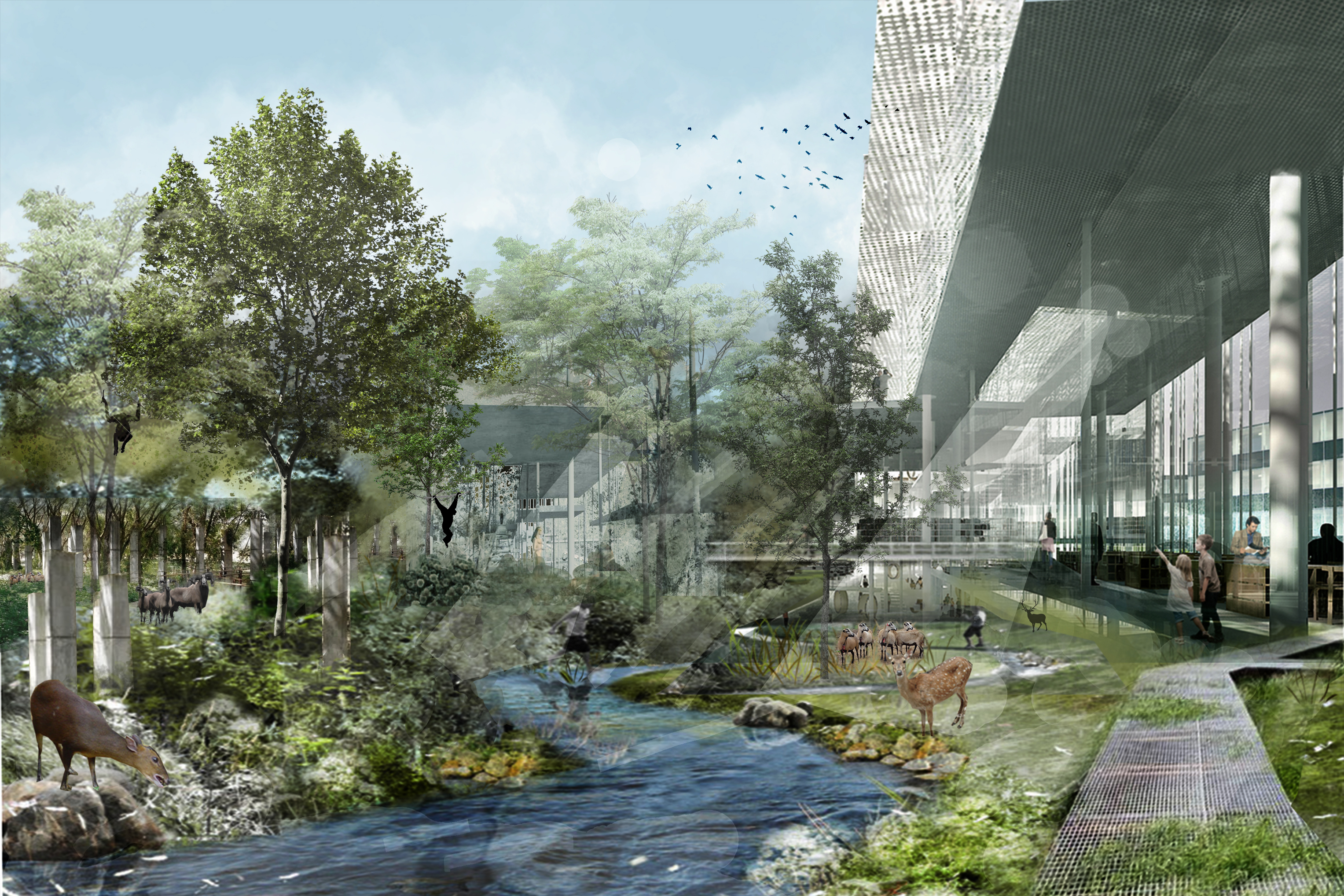
The design strategy involves a process of degradation, in which obsolete objects—manmade constructions and landscape—gradually decay and turn into wilderness.
There are THREE STAGES of this degradation and three boundaries that form and vanish in time.
The design strategy involves a process of degradation, in which obsolete objects—manmade constructions and landscape—gradually decay and turn into wilderness.
There are THREE STAGES of this degradation and three boundaries that form and vanish in time.
Phase 1
Surrounding Area
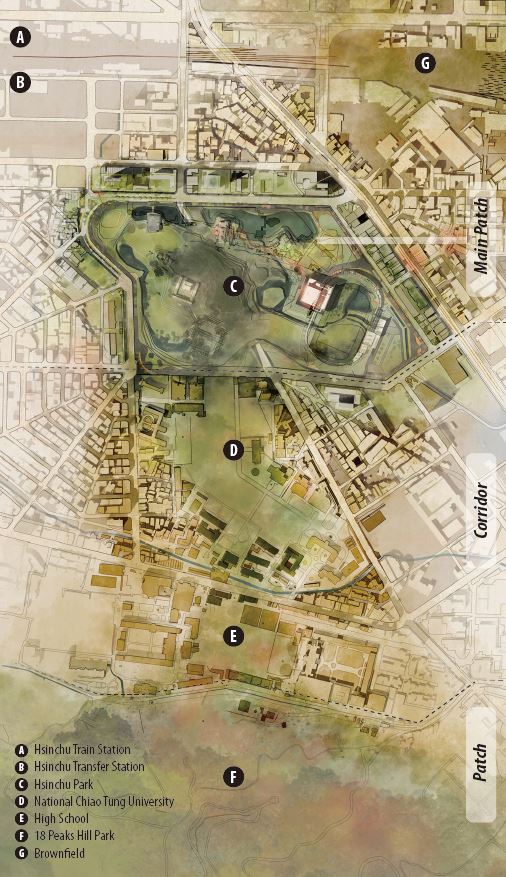
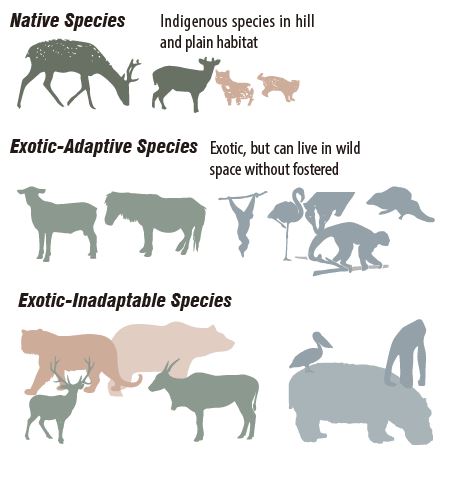
Establishing eco-corridors and buffer zones to connect surrounding
mountains.
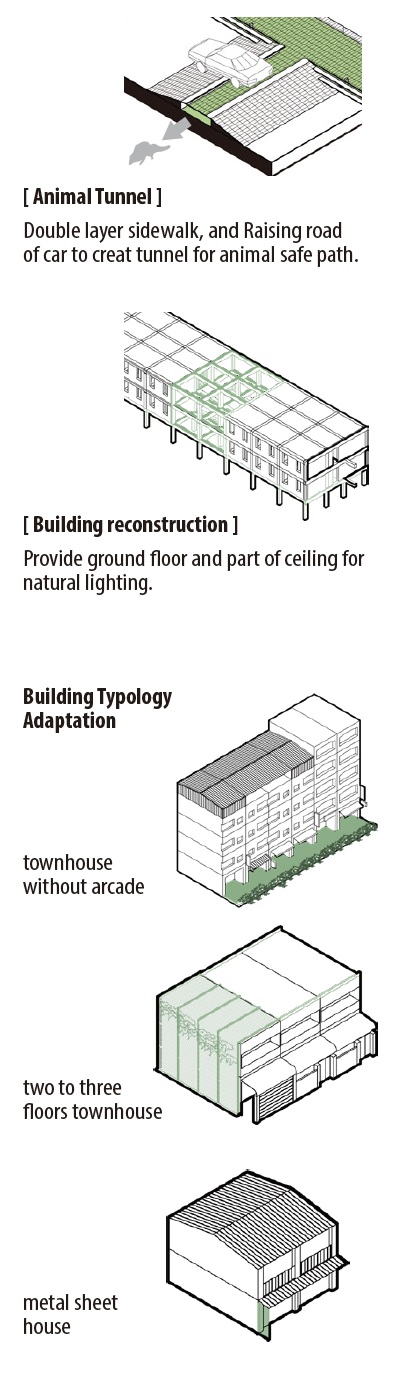
After analyzing regional building varieties, corresponding structures could be added to areas of different functions and to passage ways in between.
Then, roads and streets can play not only the role of connecting people, but also of bringing co-existing beings together. (now in Taiwan suburb area, 70% wild animal dead by roadkill)
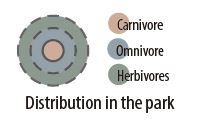
During this period, categorized species. The established buffer zones around the park would limit urban activities and form an activity borderline.
After analyzing regional building varieties, corresponding structures could be added to areas of different functions and to passage ways in between.
Then, roads and streets can play not only the role of connecting people, but also of bringing co-existing beings together. (now in Taiwan suburb area, 70% wild animal dead by roadkill)
During this period, categorized species. The established buffer zones around the park would limit urban activities and form an activity borderline.
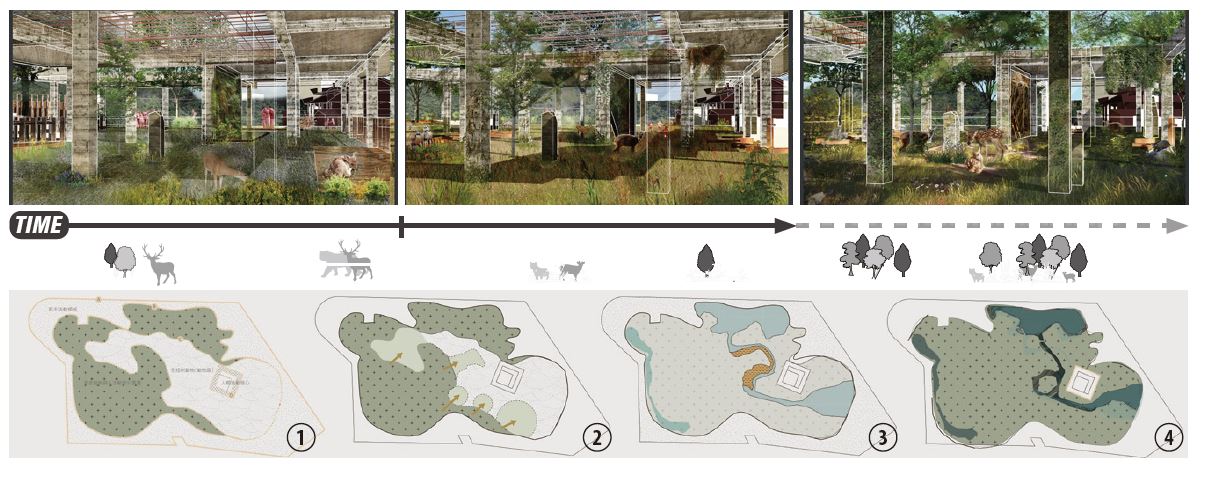
Phase 2
Zoo Transition Period
Before the original zoo ceases to be operative, the old field and track would serve as temporary cages and vegetation displays. People continue to look at the animals but change their viewing perspectives.
The old stadium is stripped to merely keep the structure and shape, so that native species could spawn according to our conservation plans. Animals are no longer exhibited for show.
If we are all individuals occupying the land and the forest, we should be equal. We hide behind buildings and bushes to peek.
Phase 3
Ecology Restoration
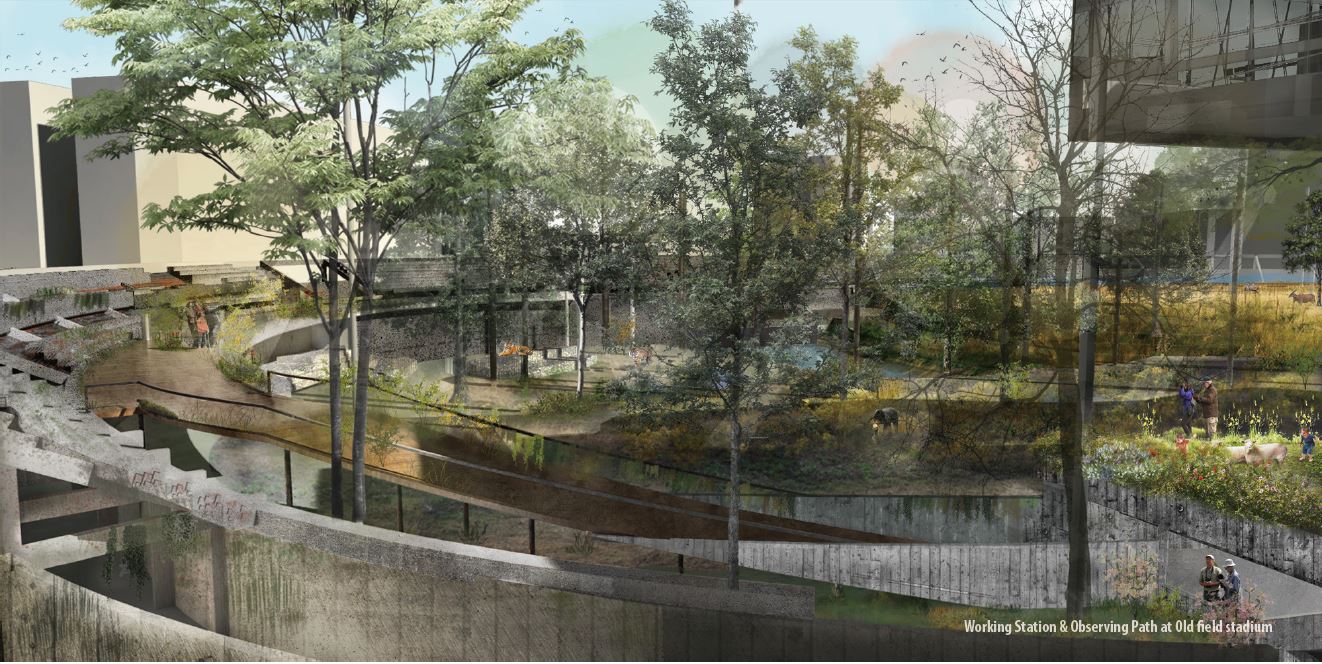
After non-native species die out and temporary structures rot into dirt, cages and their boundaries would be dismantled. Trees would grow into forests. Revived newborns would grow and return to their original forests, making the space a place for people to meet the original species and a place for more lives to thrive.
Existing Construction
Return to Wilderness
Return to Wilderness
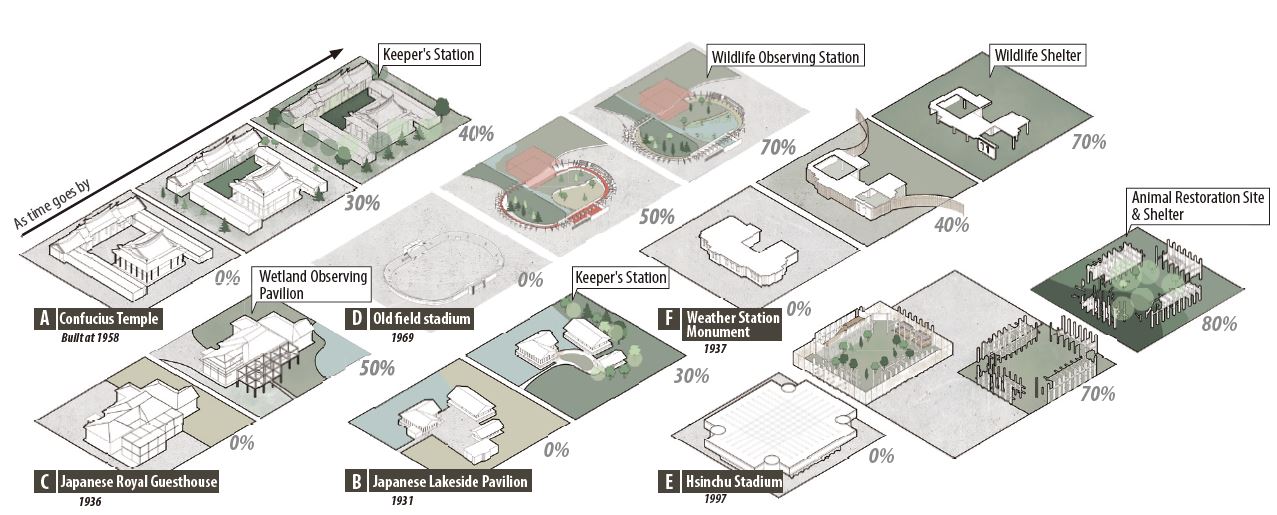
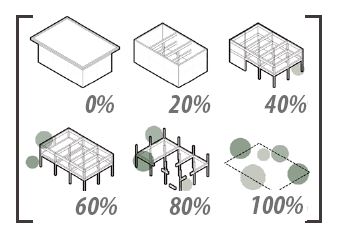
Each existing construction is categorized to beat different stages of the “returning to wilderness”
process in terms of:
the level of human occupation,
the growth of wild species, and
the completeness of its structure.
the level of human occupation,
the growth of wild species, and
the completeness of its structure.
Charater of
the Narrator
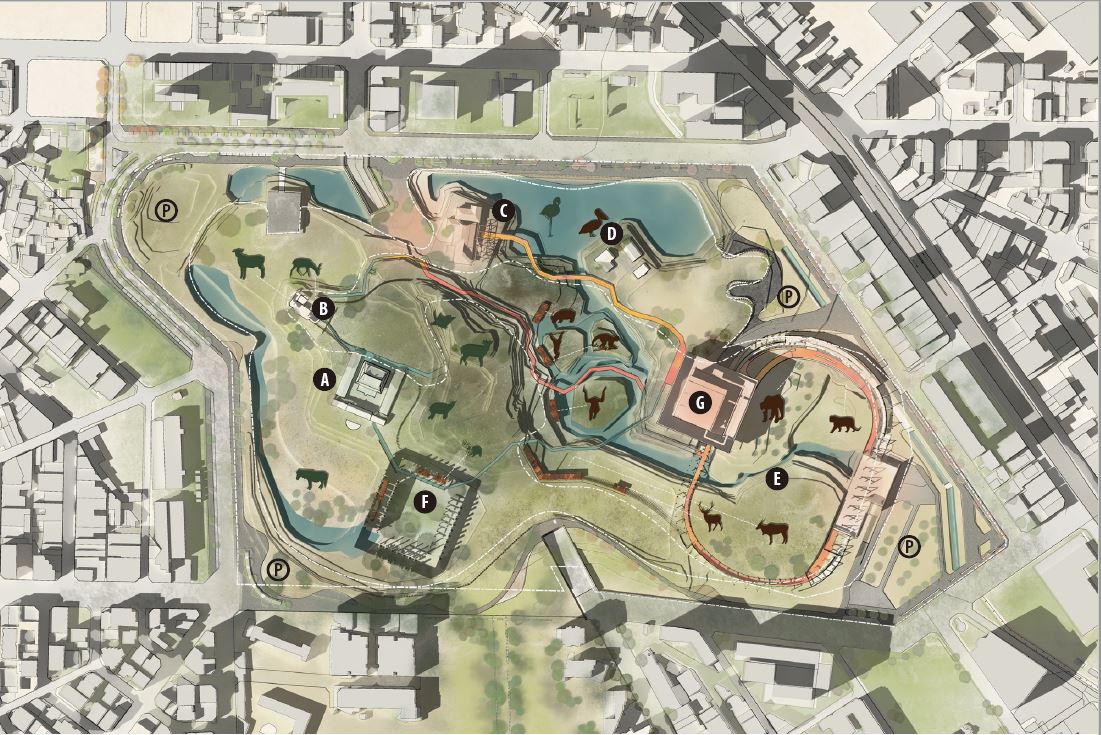
Eventually, people can wander and watch in the
new stadium structure where animals move freely,
going up along the rising hills. The vegetation in the
garden refl ects people’s unyielding illusion of nature,
which can still be altered as minds change. The
entire evolving process is educational. When people
understand that the wilderness that surrounds us is
the true existence, the outward form will dissolve
and the true nature would reveal itself.
Traffic passing underground; researcher and restoration assistant continue staying at the site, and working underground. This new building serve as a narrator, filled with different program at different stage.
Finally, it metabolize with public value and time as well.
Traffic passing underground; researcher and restoration assistant continue staying at the site, and working underground. This new building serve as a narrator, filled with different program at different stage.
Finally, it metabolize with public value and time as well.

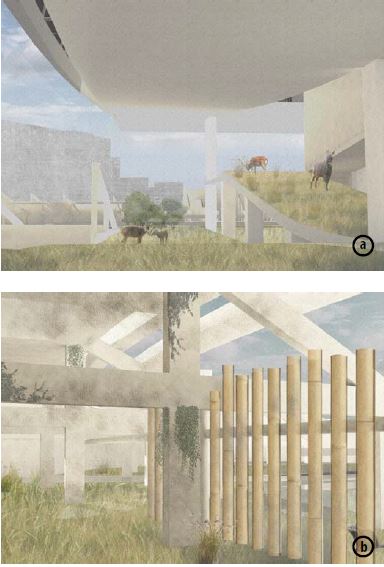
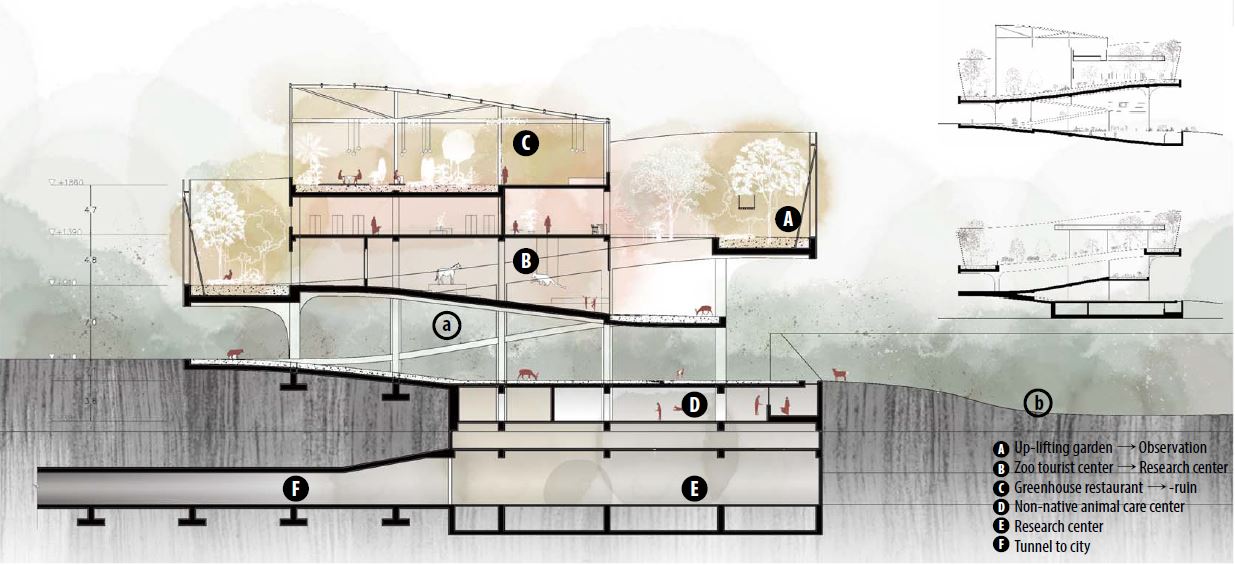
The architecture becomes a medium for us to understand animal habitats and it also becomes an animal shelter.
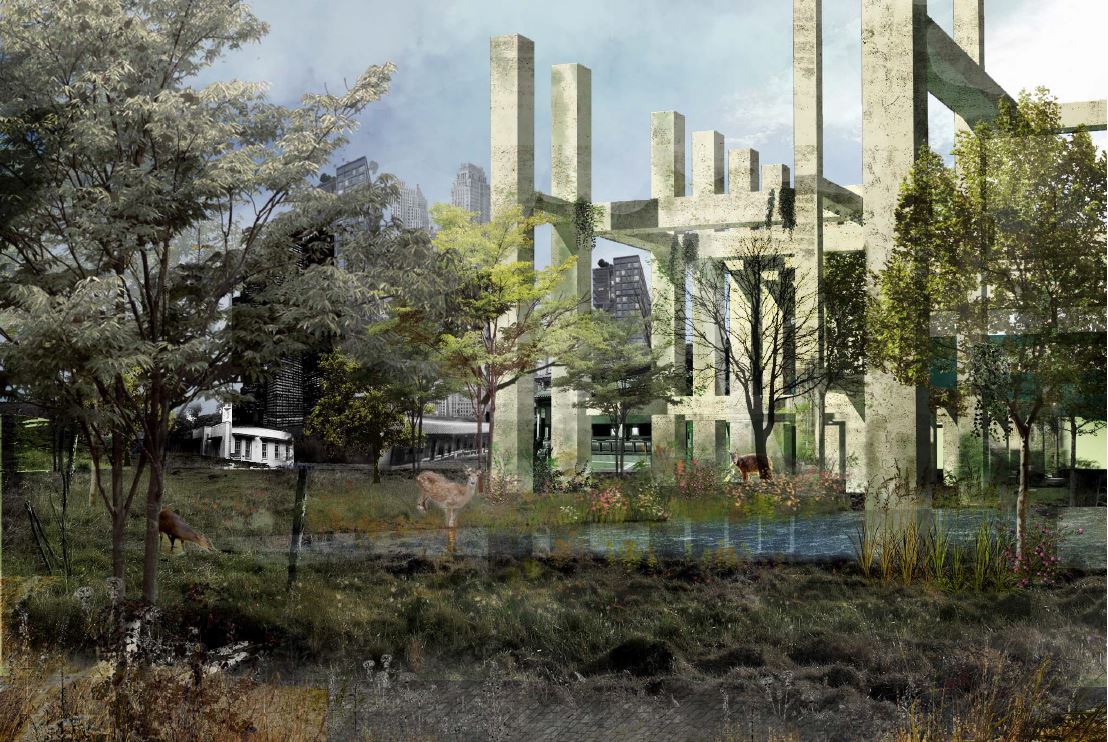
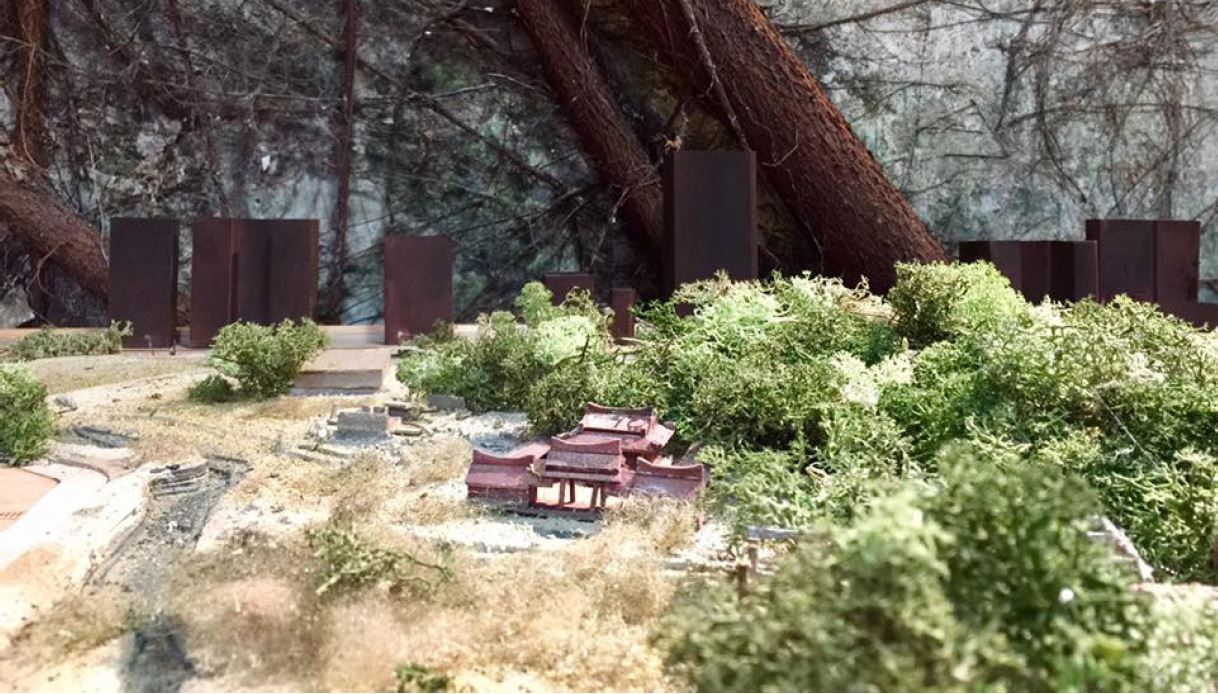
Eventually, species on this land have their own shelter and shared habitat without invasion.
Process of decay should also be counted in architecture design.
Social Carbon
Hudson Valley, Suburban, and the Green New Deal
GSAPP Fall 2019
Urban Design Studio
Date | 2019.10-12
Instructor | Kaja Kühl (Coordinator), Anna Dietzsch, Jerome Haferd, Liz McEnaney, Justin Moore, Shachi Pandey, Raafi Rivero, David Smiley, Dragana Zoric
Team | You-Chiao Wu, Mary Allen, Minjung Lee, Candelaria Mas
Site | Hudson Valley+ Kingston, NY
As it stands, the Green New Deal is lacking the practical tools to implement
the grand goals the document puts forth. There are plenty of innovativesolutions to the climate crisis, but the largest flaw in the system is
understanding how these solutions hit the ground, and how toprevent the inequalities that the original New Deal inflected on manycommunities.

In order to visualize the complexities of the current system —where social
needs and carbon emissions coexist—, we analyze the Hudson Valley on
a transect that repeats along the region. We apply design thinking through
a coordinated approach of varied projects that prioritize both people’s
and environmental needs, as a tool to rethinking the Green New Deal
as a middle ground —top down / grass-roots— initiative that motivates
partnerships across disciplines and existing boundaries.


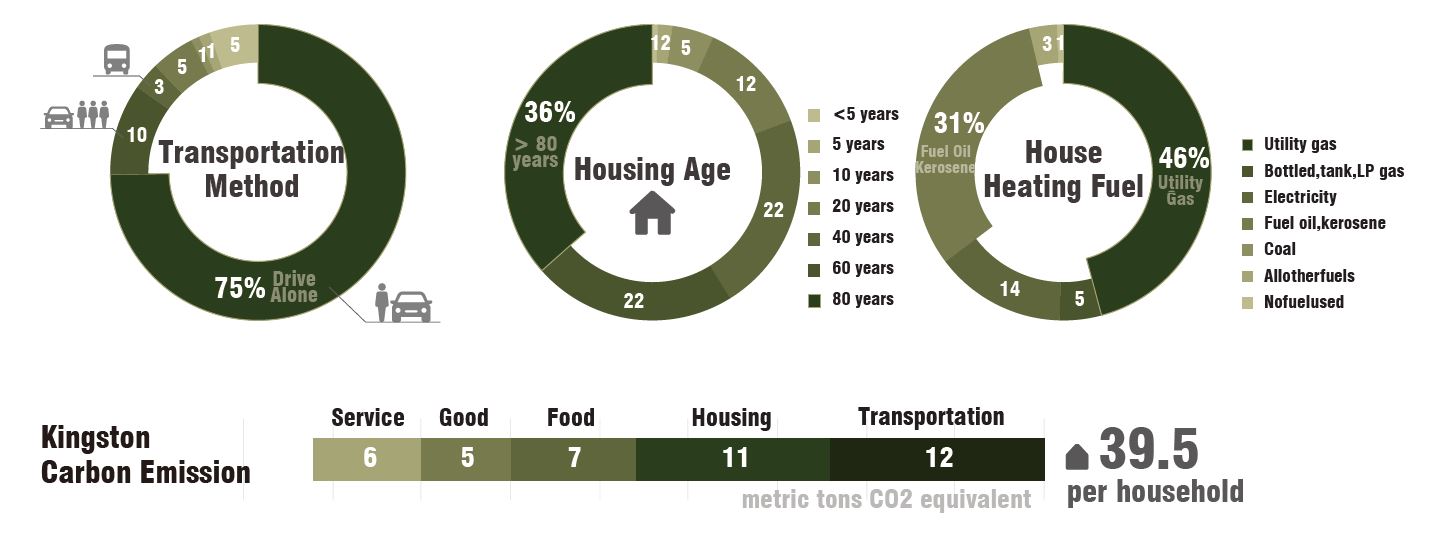
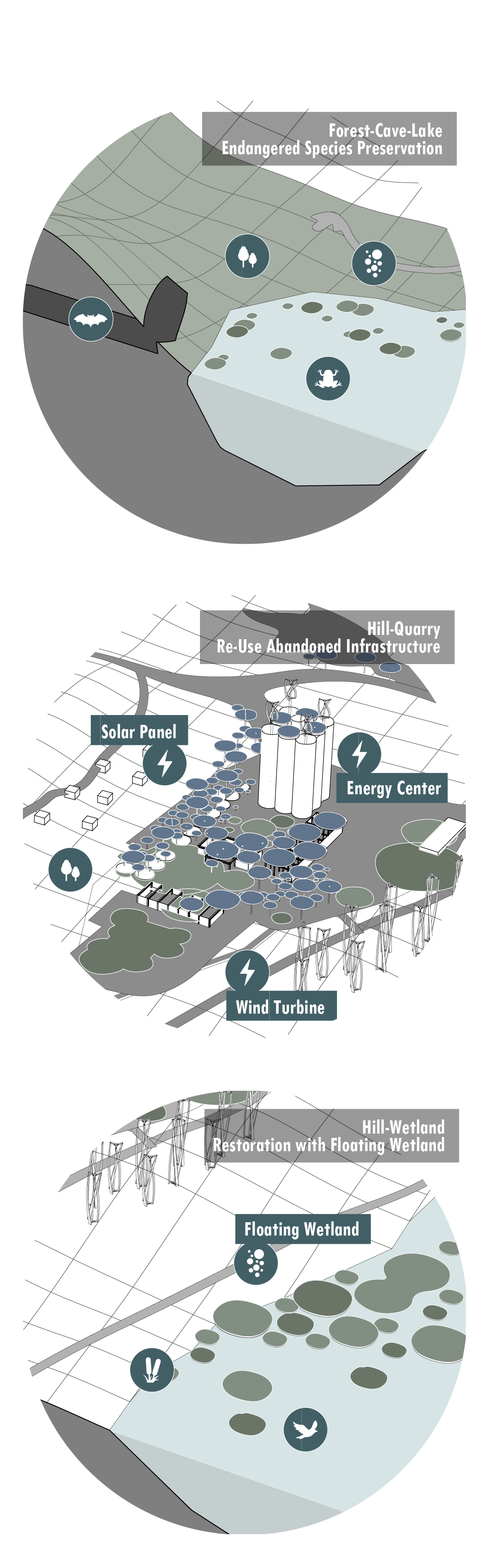
For this case study we decided to zoom in on Kingston NY. This unique balance of wetlands, urban areas, suburbs, farm land and forests has theamazing carbon balancing capacity, but only if it works together as a whole.
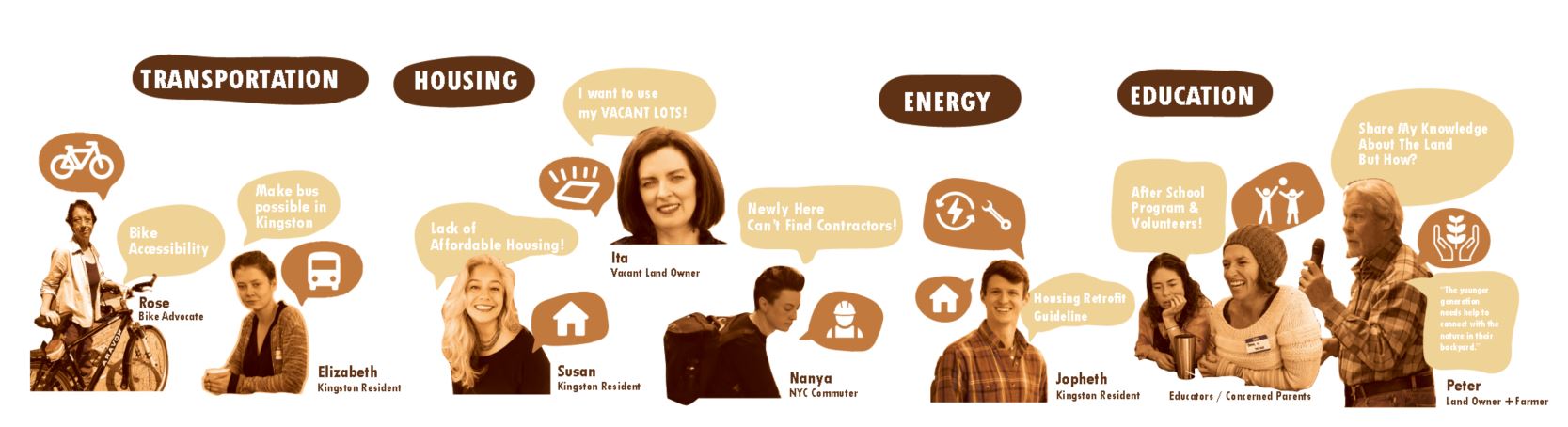
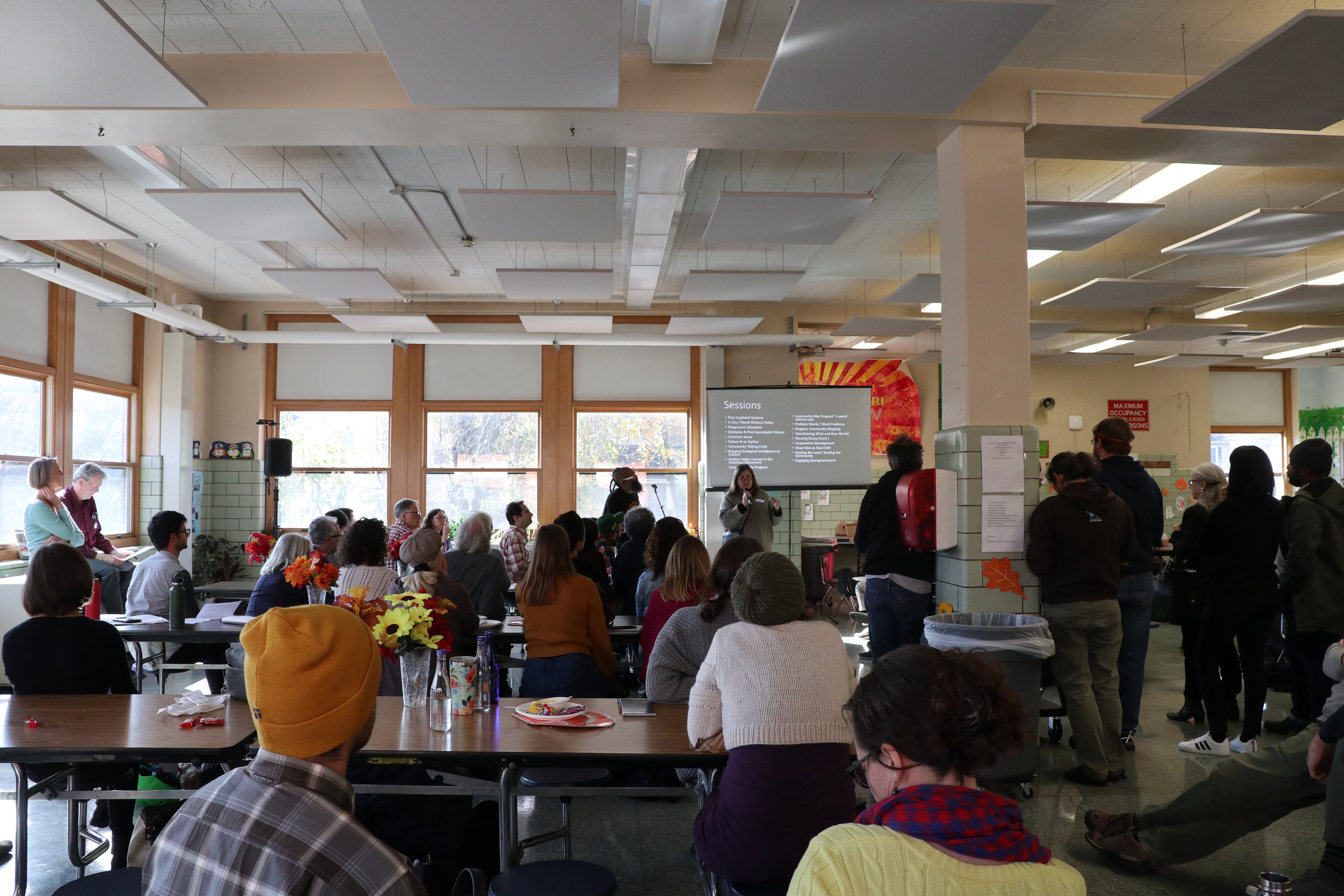
We hold a workshop in Kingston and while we were there we talked to
many people as we could, and there seemed to be a common theme, such astransportation and housing issues.
We propose that there needs to be a new strategy of funding infrastructure projects that generate a hybrid top-downand bottom-up approach. It solves social needs by adding carbon value to it, and the common goal and strategy tackle both issues.
We propose that there needs to be a new strategy of funding infrastructure projects that generate a hybrid top-downand bottom-up approach. It solves social needs by adding carbon value to it, and the common goal and strategy tackle both issues.
We start by proposing a Carbon Coordination Plan for Kingston NY that
offers opportunities to reduce carbon emissions across the entire area.
This proposal is broad and comprehensive and offers strategies that should
happen over time. And these projects happen at a variety of different scales,the Strategic scale, Community-scale, and Block scale interventions. Those
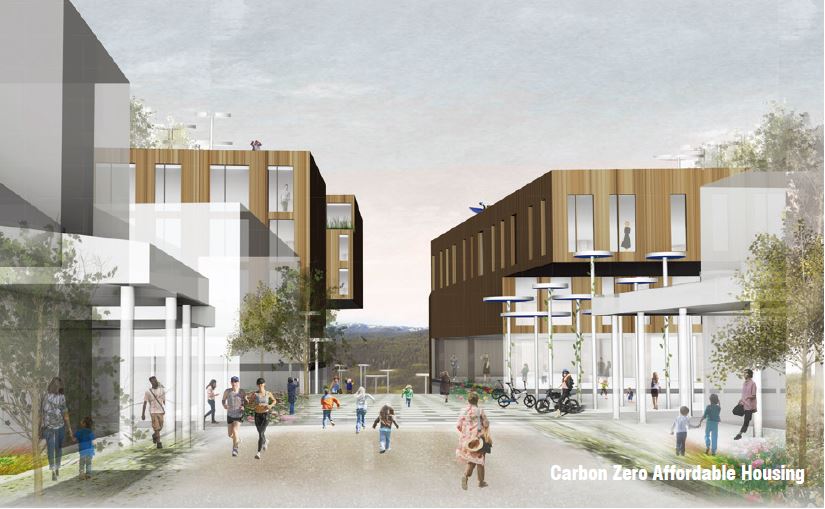
projects are carbon zero affordable housing, net-zero neighborhoods,recharge hub, and wetland generator. They are run by different sectors
including municipalities, community-based organizations, and individuals.
We’re calling this system Social Carbon.
including municipalities, community-based organizations, and individuals.
We’re calling this system Social Carbon.
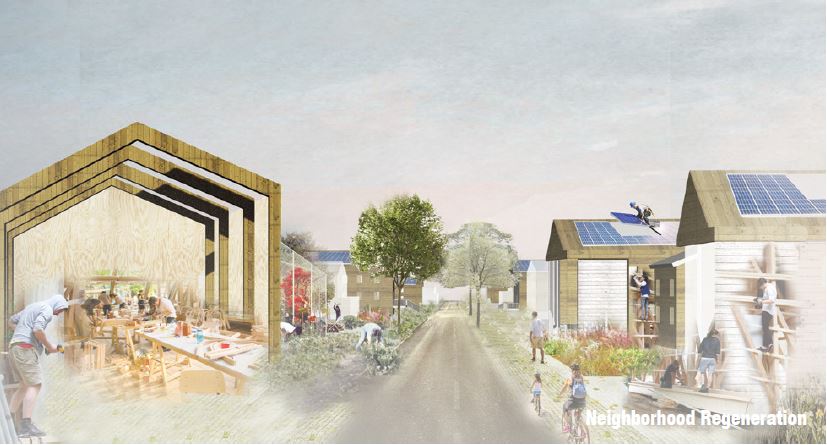
Neighborhood Regeneration

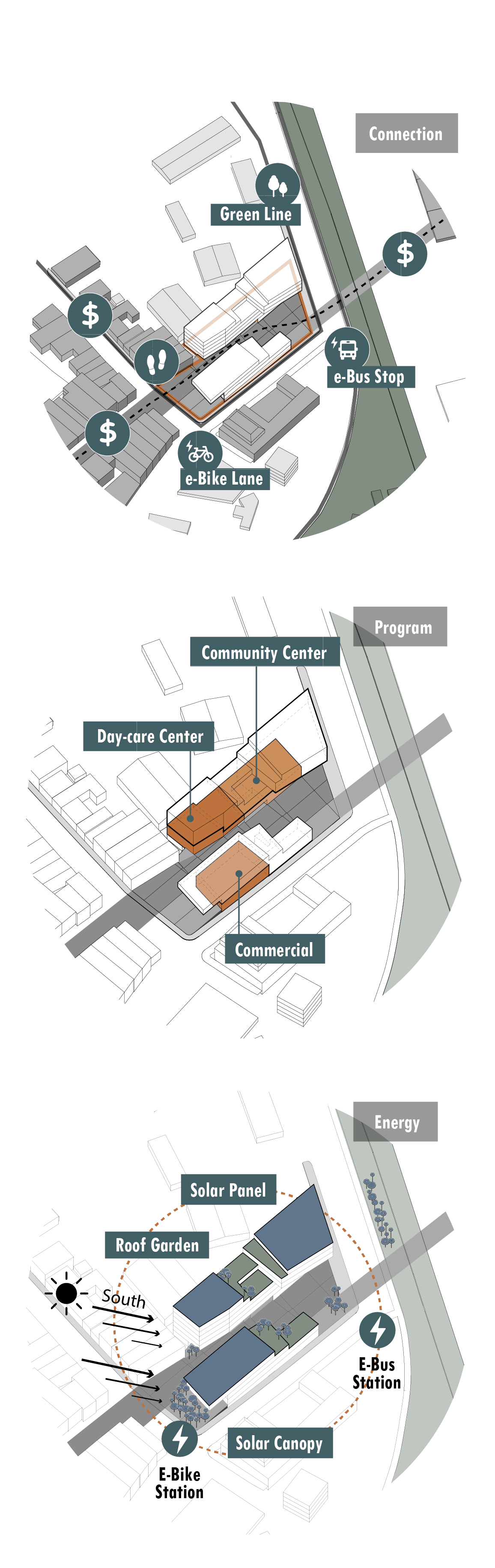
Carbon Zero Affordable Housing
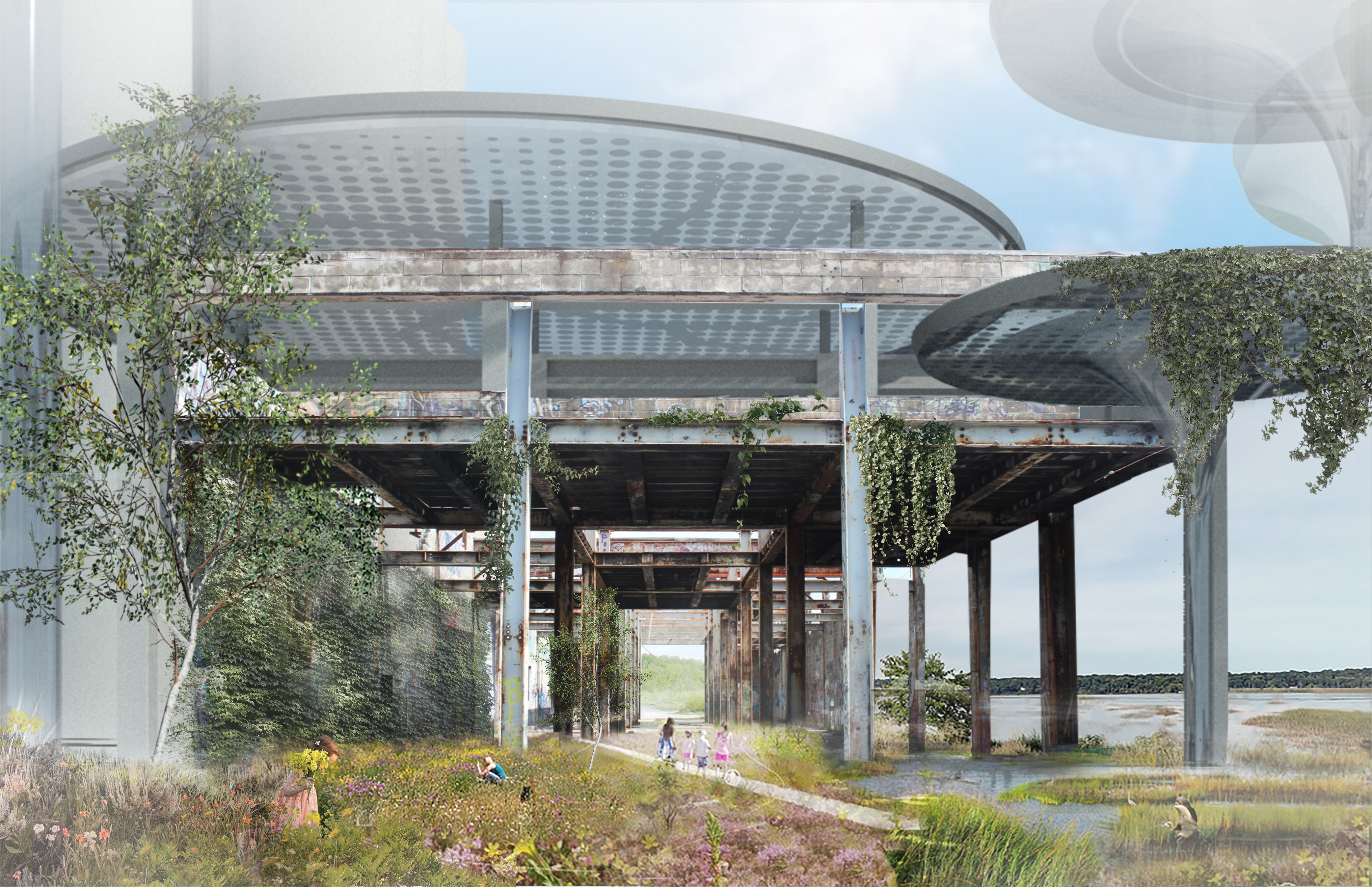
Wetland Generator